Feb 24, 2026
What ground handling can learn from Formula 1 pit stops
In both Formula 1 (F1) and airfield ground handling, efficiency defines success. Every pit stop or aircraft turnaround is a high-stakes operation where precision and coordination outweigh speed. In F1, sub-two-second pit stops are the result of thousands of hours of planning, repetition, and synchronization. Airfields face the same challenge: multiple teams, vehicles, and interdependent tasks must operate in rhythm. True efficiency comes not from moving faster, but from eliminating friction through systems built for anticipation and consistency.
The F1 pit stop: a masterclass in efficiency
An F1 pit stop is one of the most efficient operations in the world. In less than two seconds, more than 20 crew members complete a sequence of highly specialized tasks. Tires are changed, adjustments are made, and a car is released back onto the track. Every action is mapped, timed, and optimized. Precision comes from coordination and preparation, not speed alone.
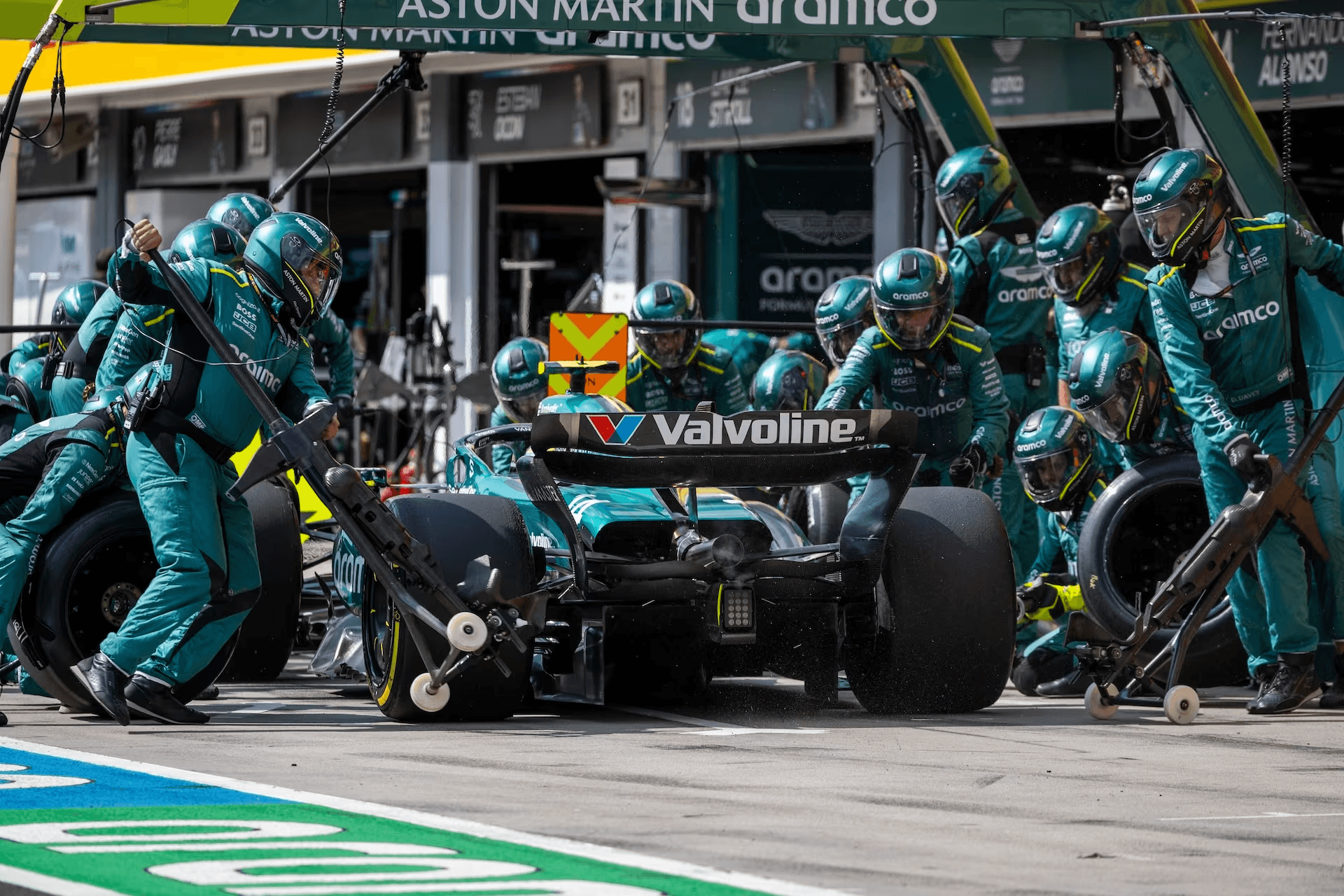
An F1 team performs a coordinated pit stop
The foundation of this efficiency is careful process design supported by data and advanced technology. Teams use predictive analytics and live telemetry to make decisions before the car even stops. Engineers track tire wear, fuel load, and system temperatures in real time to determine exactly what the car will need upon entry to the pit. Each crew member has a single, clearly defined role to perform, with tools and timing coordinated around that plan.
What makes the pit stop remarkable is not just how quickly it happens, but how the people, data, and systems work together to make it repeatable. Data from each stop feeds back into planning and process changes, which is how teams continue to remove small sources of friction over time. The result is measurable performance gains, with teams like Red Bull achieving record stops as fast as 1.82 seconds. It is an operation that functions as a single system, where coordination, preparation, and communication define performance.
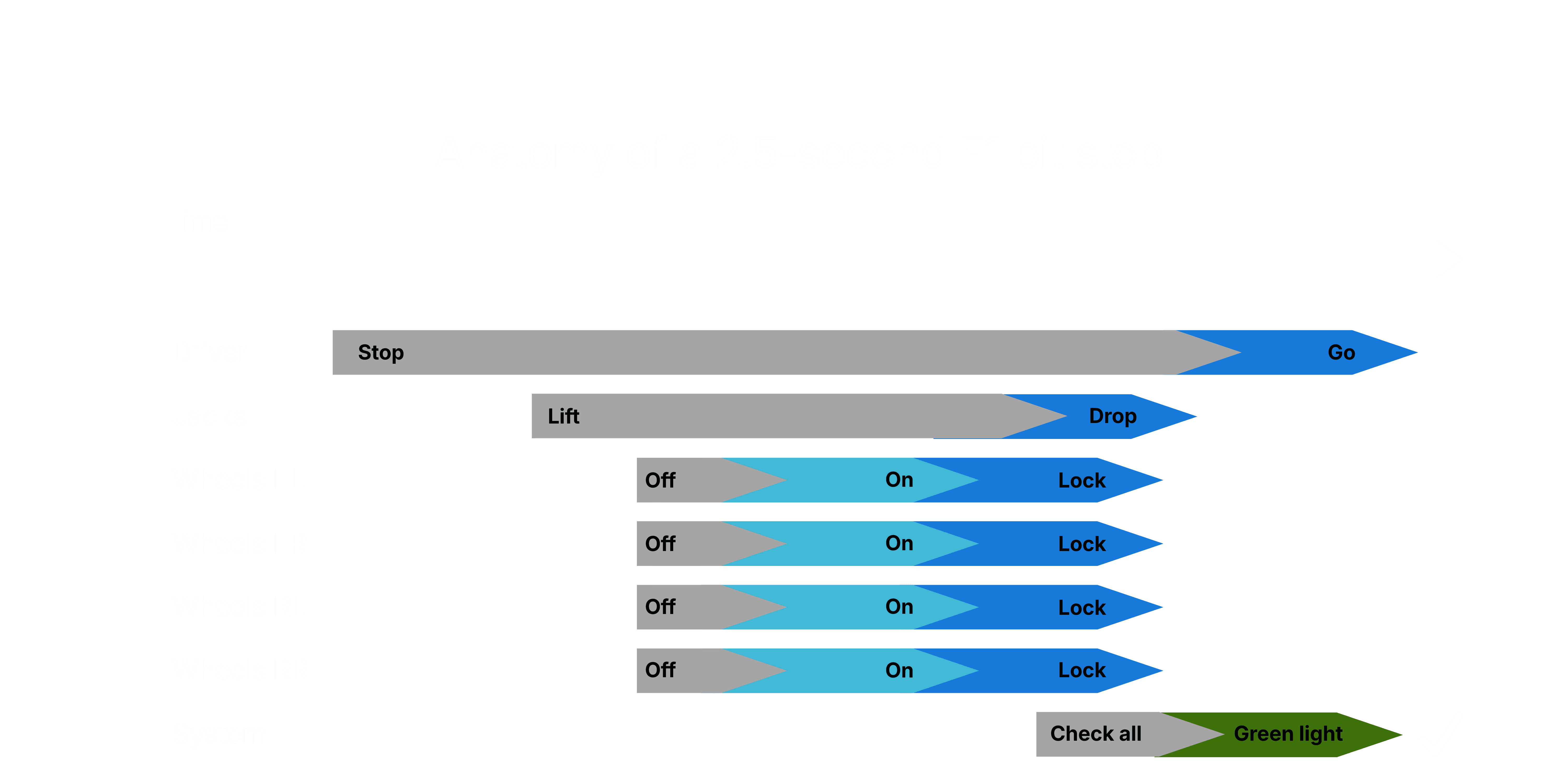
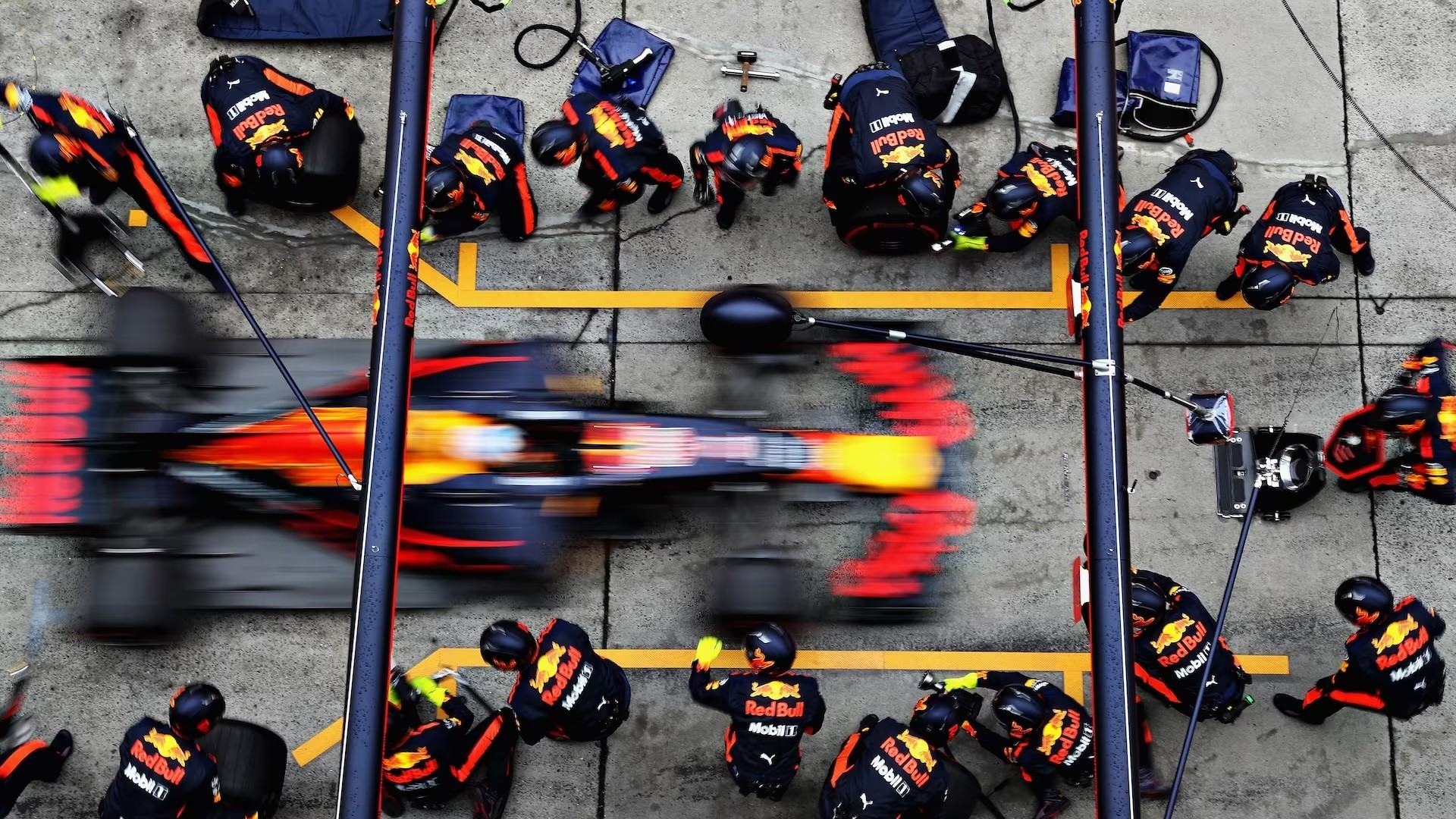
High-performance coordination at micro-task level. F1 pit stops succeed by breaking execution into precisely timed, parallel steps.
Airfield ground operations: the aviation equivalent
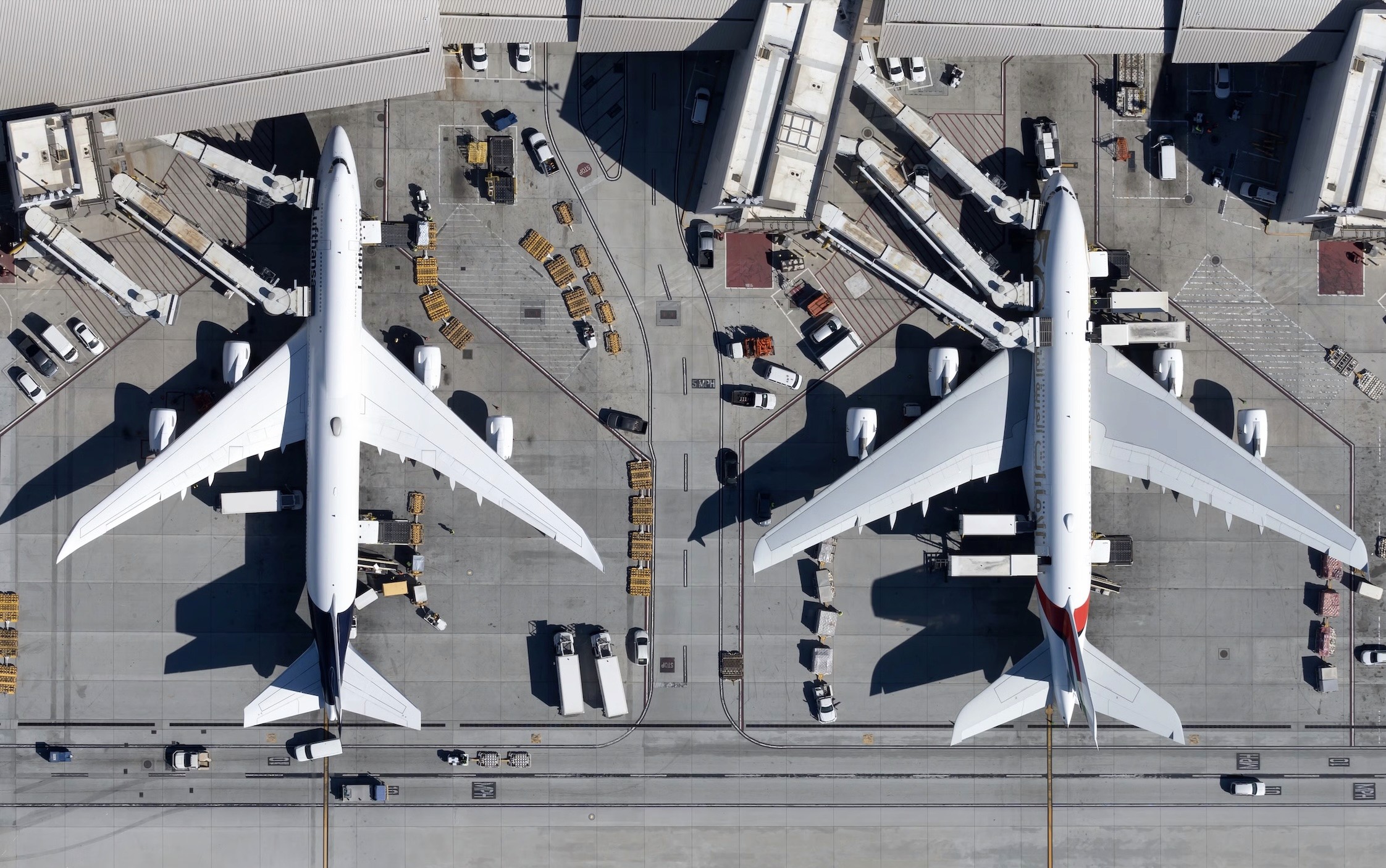
Aircraft turnarounds are aviation’s equivalent of a pit stop. The objective is the same: return a high-value asset to service safely, predictably, and on schedule. Just as every F1 crew member executes a specific part of the pit stop, the airfield teams handling cleaning, fueling, baggage, catering, maintenance, and flight operations each play a defined role in the turnaround, with the same focus on timing, sequencing, and precision.
Each of these teams has a specific role in the overall process, and each task is interdependent. Fueling cannot block catering. Baggage cannot delay pushback. A missed handoff in one area quickly becomes a delay across the entire operation. Like an F1 pit stop, the turnaround only works when every segment is completed in order and correctly, and within tight operational and safety constraints.

A high-level view of the tasks that make up an aircraft turnaround, from deplaning to pushback preparation
Where airfield operations diverge from the F1 model is not in complexity, but in coordination and communication. Despite the scale of modern airports, most turnarounds are still managed through a mix of radio calls, manual updates, and disconnected systems. The impact is measurable: U.S. DOT data shows that more than half of flight delays are driven by controllable operational factors rather than external causes like weather. As a result, teams operate reactively instead of predictively. A single disruption can cascade into crew, equipment, and gate conflicts across the schedule.
In many ways, airports operate like F1 teams did before modern, intelligent technology: the work is happening, the expertise is there, but without a real-time operational picture, coordination breaks down and inefficiency becomes systemic. The bottleneck is not effort or capability, but the absence of a unified view of what is happening across the turnaround.
Applying F1 Thinking to Aviation Ground Operations
The lesson from F1 is not about speed, but instead how complex operations should be designed and run. Pit stops work because the work is planned in advance, roles are clearly defined, decisions are driven by real-time data, and everyone operates from the same shared operational picture. Those same principles apply directly to aviation ground operations.
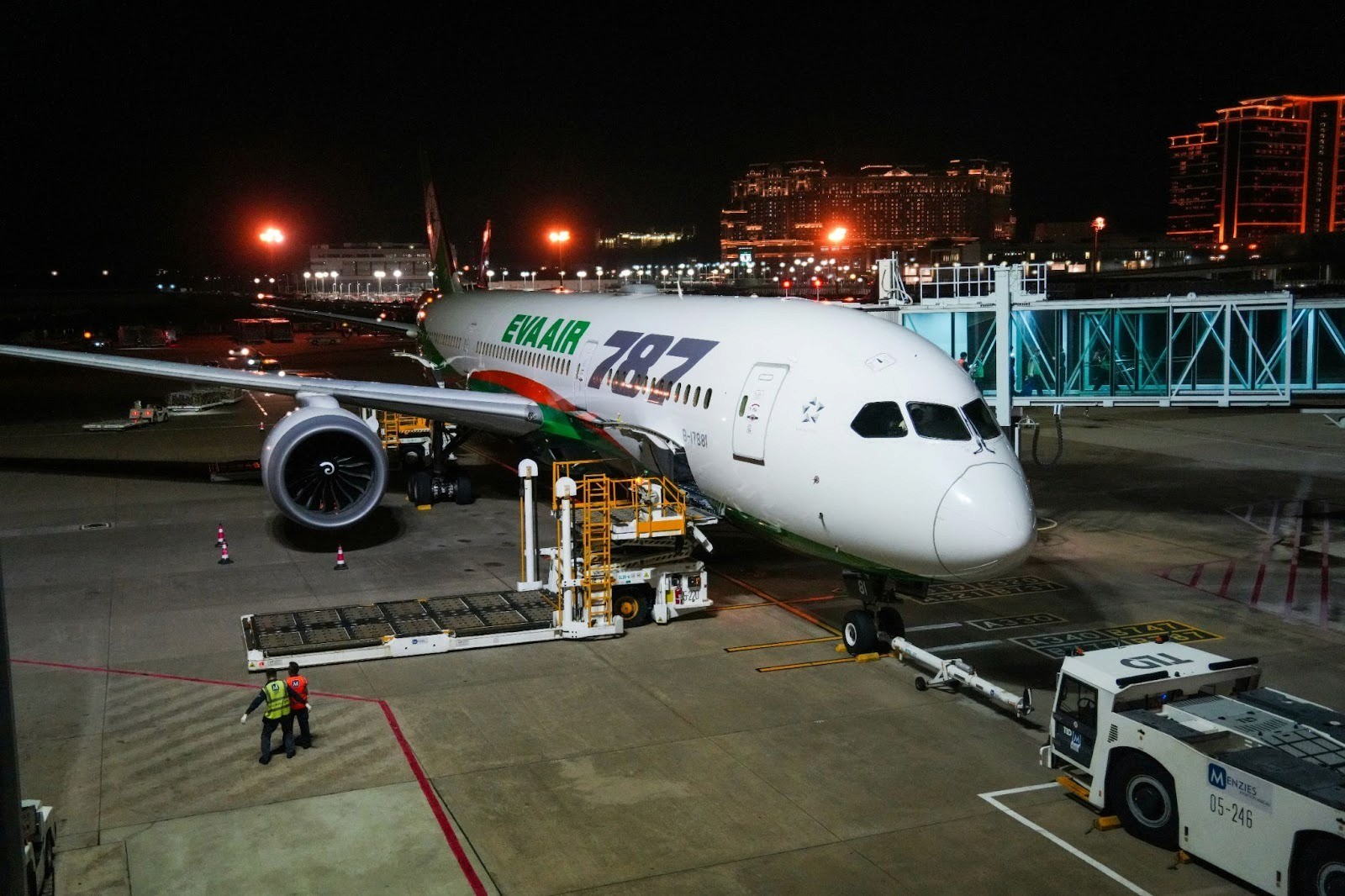
Ground crews and equipment service an aircraft at the gate during nighttime operations.
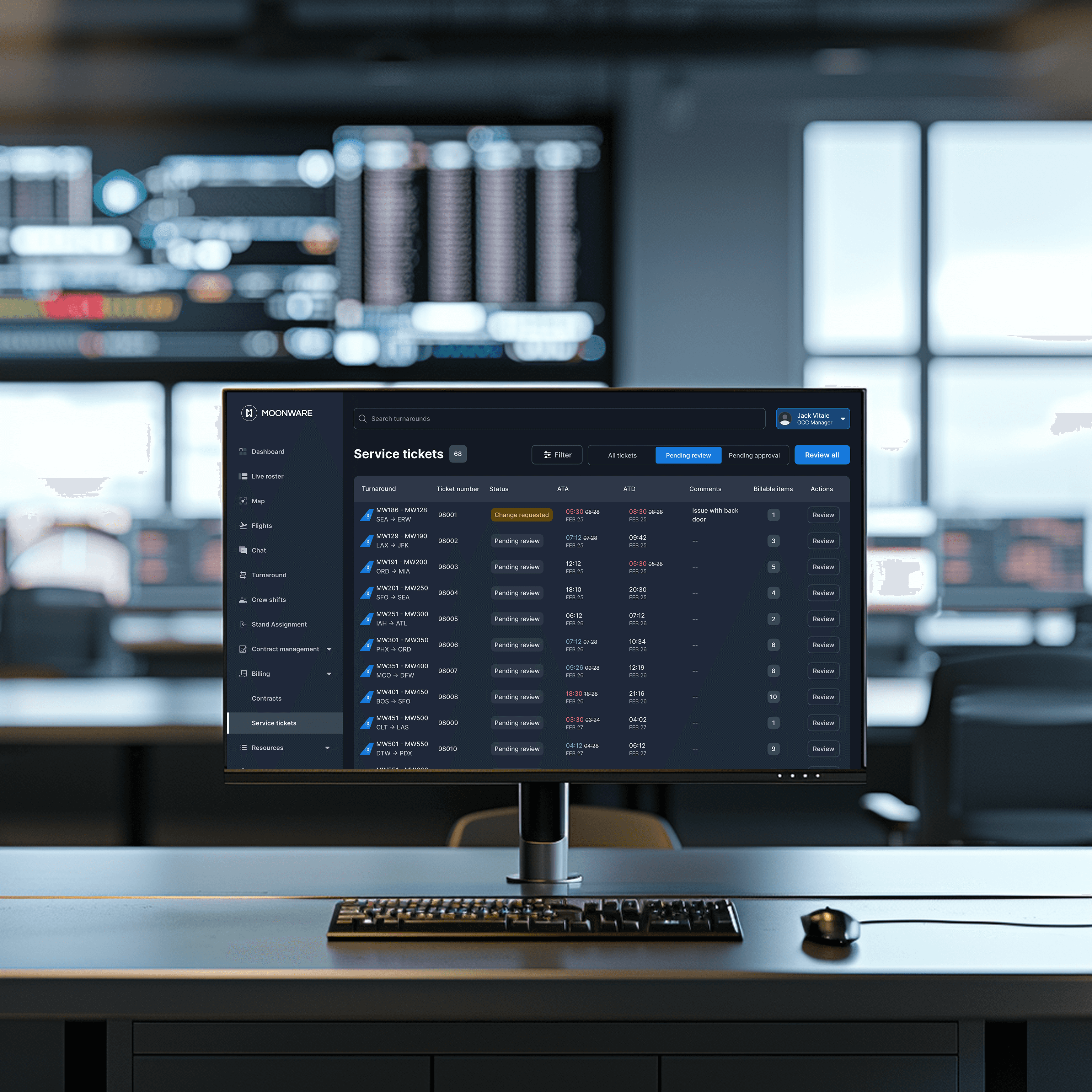
Applying that thinking to the airfield means moving from manual coordination to data-driven organization at scale. Integrated digital platforms like Moonware’s HALO act as mission control for the airfield, connecting people, vehicles, and systems through a single operational interface. Real-time data enables predictive dispatching, maintenance, and resource allocation, mirroring how F1 teams use telemetry to anticipate component wear or adjust strategy before a car ever reaches the pit box. Instead of reacting to issues as they surface, decisions are informed by live inputs from the ground and coordinated against a shared plan.
The result is performance improvement. As tasks become synchronized and execution becomes more predictable, variability in turnaround times shrinks. Aircraft spend less time at the gate, improving on-time performance and overall throughput. Crew and equipment are used more efficiently, reducing idle time and unnecessary movement. Airfield Operation Control Centers (OCCs) equipped with live data can monitor, adapt, and optimize the operation in real time, turning coordination into a competitive advantage.
Conclusion
In both F1 pit stops and aviation ground operations, performance is built on the same foundation: preparation, synchronization, and effective use of real-time data. The examples from F1 show that efficiency does not come from speed alone, but from systems that are designed to plan work in advance, coordinate execution, and adapt in real time. Airfields face the same orchestration problem at a much larger scale.
For airfields, this means moving away from manual coordination and toward a shared, real-time operational picture. When people, assets, and tasks are connected through a single system, turnarounds become more predictable, resources are used more efficiently, and on-time performance improves. The lesson from F1 is straightforward: coordination treated as a system produces better outcomes than coordination managed through individual handoffs.