Sep 28, 2026
Why ground handlers should help shape airfield technology

Ground handlers run one of the most complex parts of aviation, yet they are too often left out of the technology decisions that shape their work.
They sit at the center of the turnaround, helping determine whether an aircraft leaves on time, bags connect, services are completed safely, and the next passenger journey begins as planned. Much of this work is invisible to passengers, but its impact is felt across the operation.
That is why ground handlers should have a stronger voice in the technology decisions that shape the airfield. They are closest to the work, the disruption, and the operational insight needed to make the turnaround run better.
The reality of the turnaround
Airfield operations demand constant coordination. Across every turnaround, hundreds of people, vehicles, tasks, and dependencies must adjust as conditions change. Flights arrive late. Gates move. Staffing levels shift. Qualifications, breaks, equipment availability, service requirements, and departure times all need to be managed in real time.
Yet many ground teams still coordinate this work through walk talkies, paper records, spreadsheets, and disconnected systems. Information is fragmented, and the people responsible for keeping the operation moving often lack a single, live view of the turnaround. The result is reactive coordination. Teams spend time chasing updates, reconciling information, and responding to issues after they have already affected the operation.
At the same time, the people closest to the work are often furthest from the conversation about the systems intended to improve it.
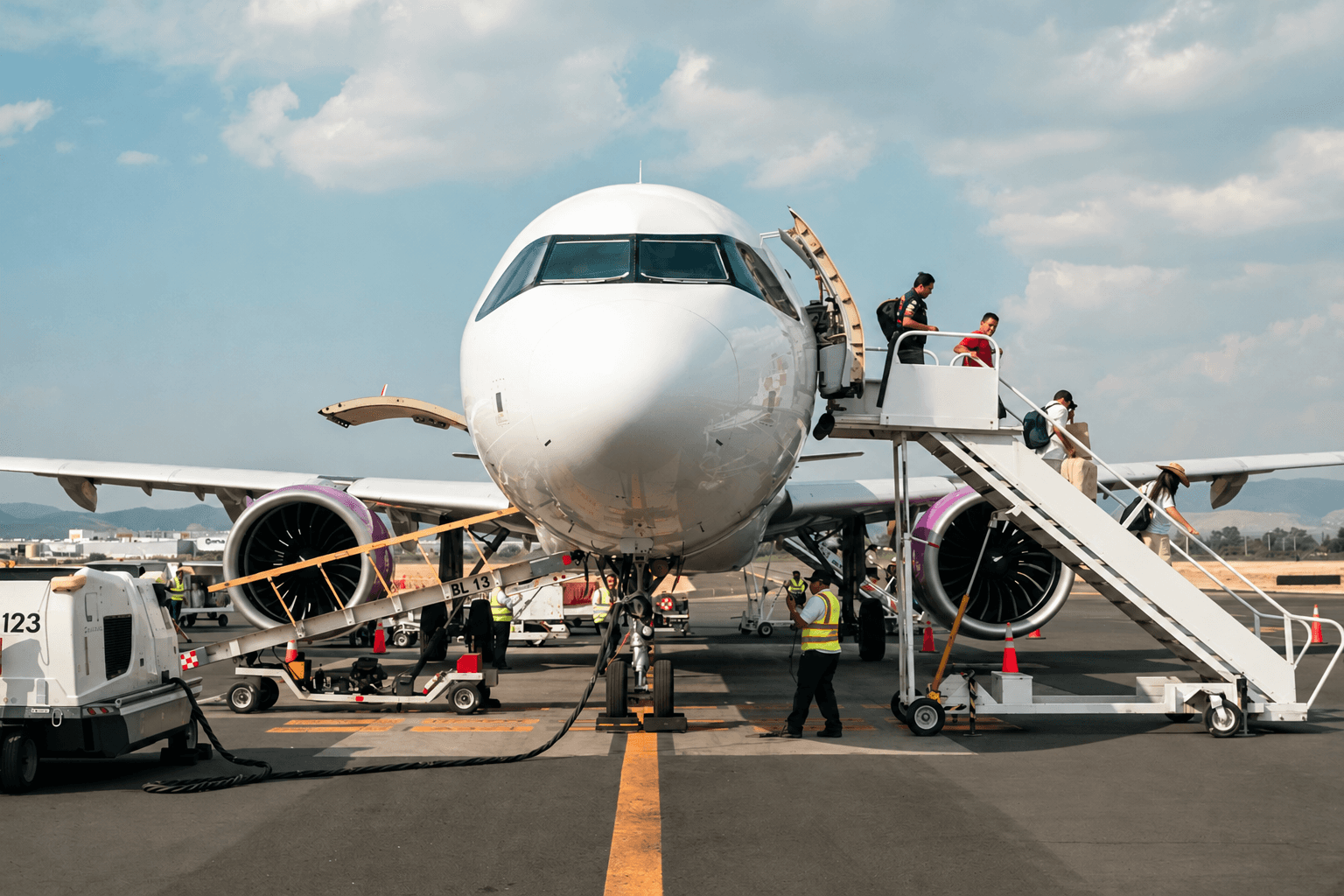
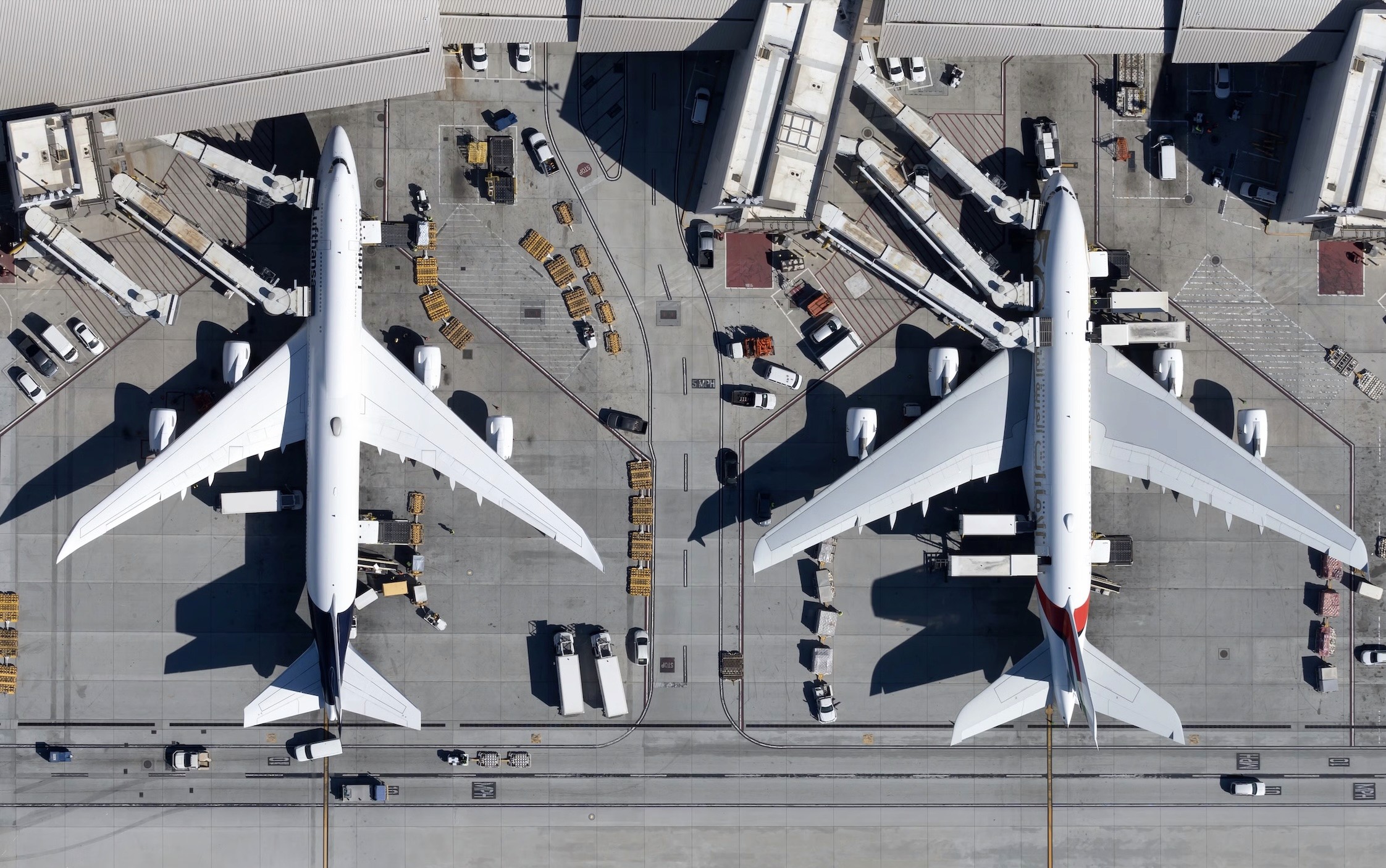
Ground crews and equipment service an aircraft turnaround as passengers deplane
Operational intelligence is being lost
Every turnaround generates valuable operational intelligence: who completed a task, when it happened, what equipment was used, where capacity was constrained, what caused a delay, and what needed to happen next.
Ground handlers see these signals as they emerge because they manage the operation in real time. But when that information is spread across fragmented tools and informal communication, much of it is difficult to capture, analyze, or use to improve future decisions.
That is a missed opportunity. Insight from the ramp should help airlines, airports, and ground handlers identify recurring bottlenecks, improve processes, strengthen safety, and plan resources more effectively. Instead, too much of it disappears once the turnaround is complete.
The teams closest to the operation should help shape the technology that runs it
Ground handlers should not simply be asked to adopt technology chosen elsewhere in the ecosystem. They should be active partners in shaping the systems that run the airfield.
Ground handling teams understand where coordination breaks down, what information is missing, how disruptions affect the wider operation, and what it takes to recover a turnaround safely and efficiently. This insight helps ensure technology reflects how the ramp actually operates.
Their perspective should inform technology decisions from the start, alongside the needs of airlines and airports. That is how the industry can build systems that improve the operation at its source, rather than adding another layer of complexity around it.
From fragmented coordination to real-time control
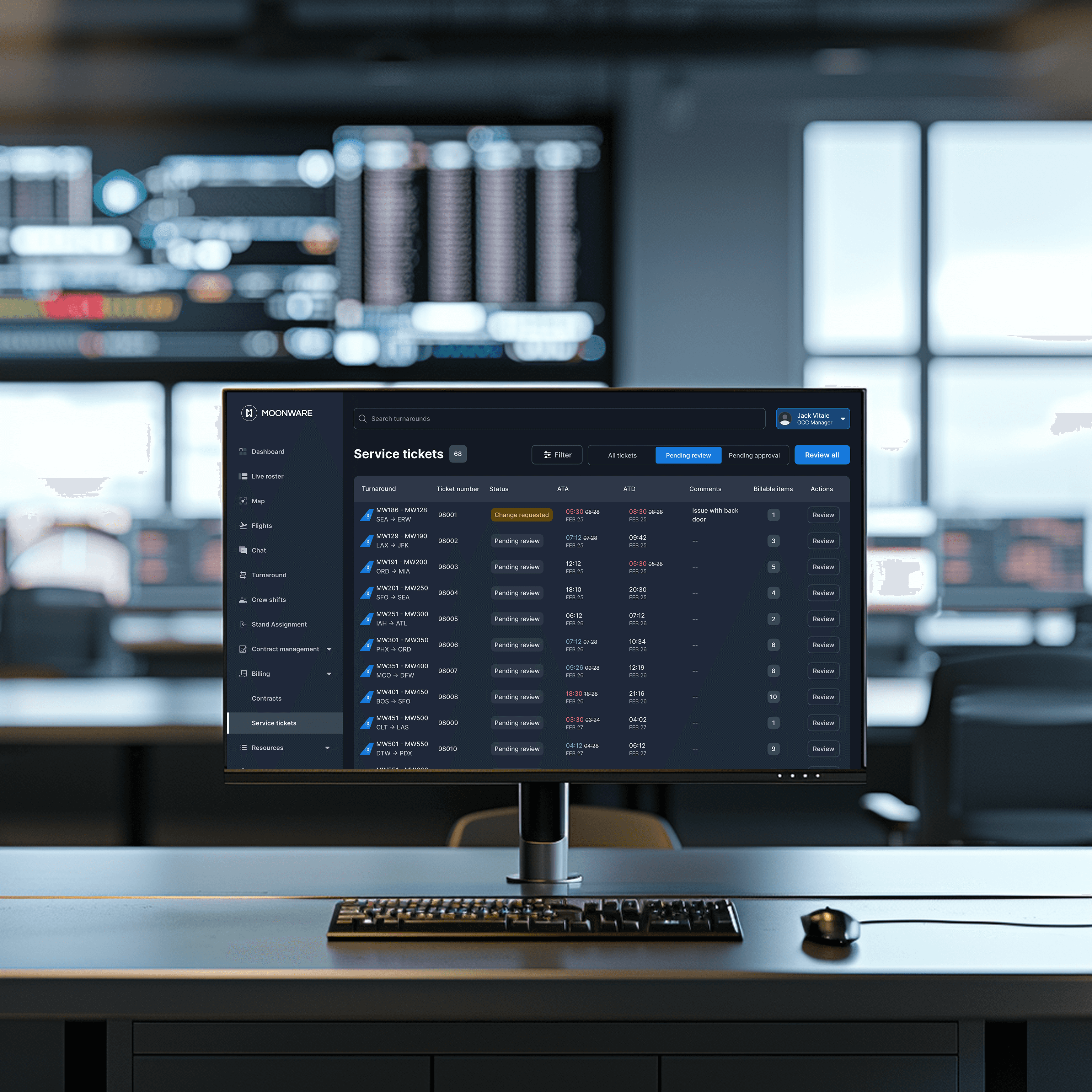
An AI-powered platform gives ground teams visibility and control over every turnaround. Moonware's HALO brings people, equipment, tasks, communication, service capture, and performance into a single Ground Traffic Control™ layer, with a live operational picture from gate-in to gate-out.
Teams can:
See the live state of every flight, person, vehicle, and task
Use AI to allocate resources dynamically and flag operational risk before it causes delays
Run the entire turnaround from one system instead of radios, spreadsheets, and disconnected tools
The result: more predictable turns, fewer missed services, and a safer ramp.
For one North American ground handler, HALO supports a 300-person team coordinating more than 60 flights each day in one station. HALO improved on-time performance by 5%, reduced manual coordination overhead by 30%, and identified $1.5 million in potential annual labor savings. These results show what becomes possible when frontline teams have better visibility, stronger control, and systems designed around how the work actually happens.
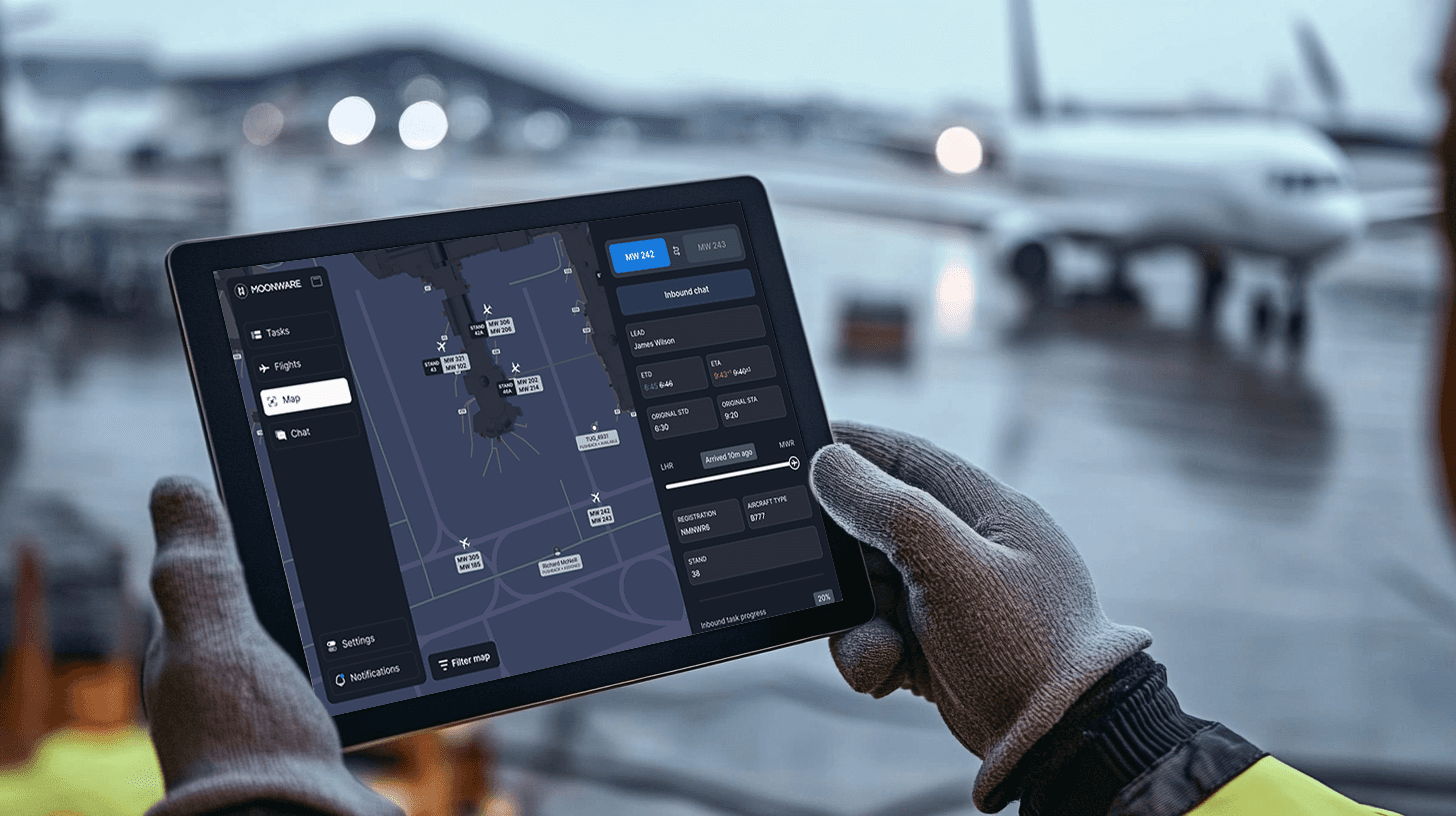
Moonware’s HALO platform in use during airfield operations
A stronger voice benefits the whole ecosystem
Technology is playing an increasingly important role across the airfield. As adoption grows, the industry has an opportunity to make better decisions about how those tools are designed, deployed, and improved.
Ground handlers have practical knowledge that should inform those decisions. They know where time is lost, where risk develops, where communication breaks down, and where better systems could help people respond earlier and make more informed decisions.
Giving ground handlers a stronger voice is not just about making their work easier, it’s about using the operational intelligence they already hold to improve outcomes across the airfield. When ground handlers have real-time control and a meaningful role in technology decisions, they can help create safer, more predictable, and more efficient operations. That benefits ground handlers, airlines, airports, and ultimately, passengers.